The Current State of UK Horse Racing What Happens When It’s Not On
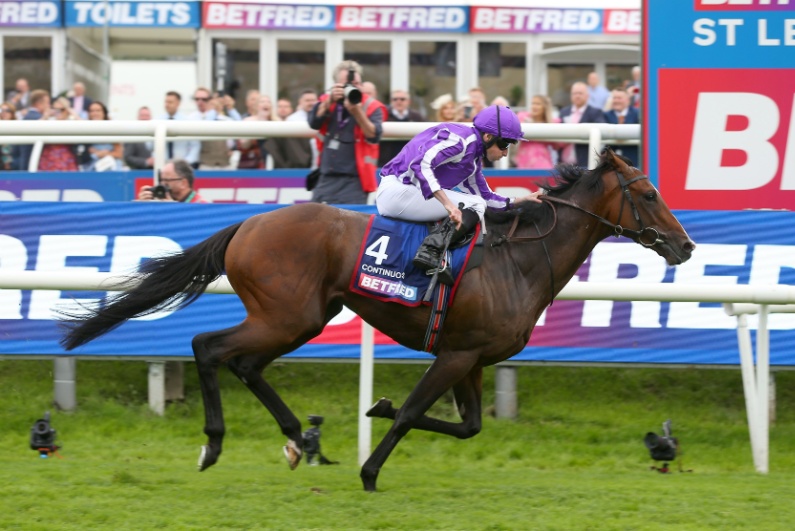
Horse racing has long been a cherished tradition in the United Kingdom, capturing the hearts of millions and featuring prominently in British culture. However, as we’ve seen in recent years, there are times when these beloved events are not on, leading to a plethora of impacts on the industry, the horses, and the economy. This article delves into the state of UK horse racing when events are canceled or postponed, the challenges faced, and the industry’s recovery strategies. For more insights and detailed analyses, you can visit UK horse racing not on GamStop https://equifacs.co.uk/.

Historical Significance of Horse Racing in the UK
Horse racing in the UK dates back centuries, with roots tracing back to the Roman occupation. The first recorded race took place in the 16th century, and since then, horse racing has evolved into a multimillion-pound industry. Major events such as The Grand National, Royal Ascot, and The Derby are not only sports events but also social gatherings that bring people together from all walks of life.
The significance of these racing events extends beyond entertainment. They generate substantial revenue, employing thousands and contributing to the local and national economy. Through betting, sponsorships, and tourism, horse racing serves as a critical financial engine for many communities, especially those near racing tracks.
The Impact of Cancellations on the Industry
Despite its historical importance, horse racing in the UK faces numerous challenges, particularly during periods when events are not on. The COVID-19 pandemic, for example, brought racing to a standstill, resulting in financial losses that reverberated throughout the industry.
In 2020, stakes races were canceled or postponed, creating a ripple effect. Betting shops closed, and racing fans were unable to attend venues. Consequently, the closure of tracks affected the livelihoods of trainers, jockeys, and support staff. Many were left grappling with financial uncertainty, and the loss of income took a toll on the entire horse racing ecosystem.
Moreover, canceled races disrupt the training and performance schedules of horses. Racehorses thrive on routine, and their performance can diminish without regular competition. This not only affects the horses but also raises concerns regarding animal welfare, as a lack of racing opportunities can lead to a decline in their physical and mental well-being.
Fans and Community Engagement
One cannot overlook the impact on fans and the broader community during times when racing is not on. Large racing events traditionally serve as social occasions, where friendships are fostered, and communities unite. The absence of these events leads to a sense of loss among enthusiasts who look forward to the thrill of the races.
Online platforms have attempted to bridge this gap by offering virtual races and engaging fans through social media. However, while these innovations provide some relief, they cannot replace the real-life experiences of attending a race in person.
The financial implications also stretch to local businesses that benefit from foot traffic generated by racing events. Pubs, restaurants, hotels, and other establishments experience a decrease in revenue during periods when races are not held. This interconnectedness highlights the vital role that horse racing plays not just within its immediate circle but throughout the broader economic landscape.
Recovery Strategies for the Industry
As the horse racing world continues to navigate these challenges, various recovery strategies have come into play. The British Horseracing Authority (BHA) has been proactive in implementing safety and health measures to ensure that racing can resume even in challenging circumstances.
One long-term strategy involves enhancing the overall appeal of horse racing by attracting younger audiences. Initiatives aimed at improving accessibility and experience can help rejuvenate interest in the sport. From introducing modern technology, such as augmented reality experiences, to revamping marketing campaigns that utilize social media, engaging younger demographics will be crucial as the industry recovers.
Another essential aspect of recovery is the reinforcement of financial safety nets for trainers and stable staff. Training programs and grants can assist with sustaining operations during periods when events are not on. Moreover, developing partnerships with local businesses can create a supportive ecosystem, aiding in long-term resilience.
The Future of Horse Racing in the UK
While the current state of UK horse racing is fraught with uncertainty and challenges, it is also ripe with opportunities for innovation and growth. With a commitment to adapt and evolve in line with the changing dynamics of society, the industry can emerge stronger.
Future developments may include enhancements in safety protocols, the integration of technology to improve fan engagement, and potential collaborations with other sports to cross-promote events. As the landscape of entertainment evolves, so too must the approaches taken by traditional sports, including horse racing.
In conclusion, even during times when UK horse racing is not on, the industry showcases remarkable resilience. With concerted efforts from all stakeholders, including fans, owners, trainers, and governing bodies, it can navigate through challenges and emerge with renewed vigor. The passion for horse racing remains unwavering, ensuring that while events may be canceled temporarily, the heartbeat of the sport continues to thrive, ready to race once again.